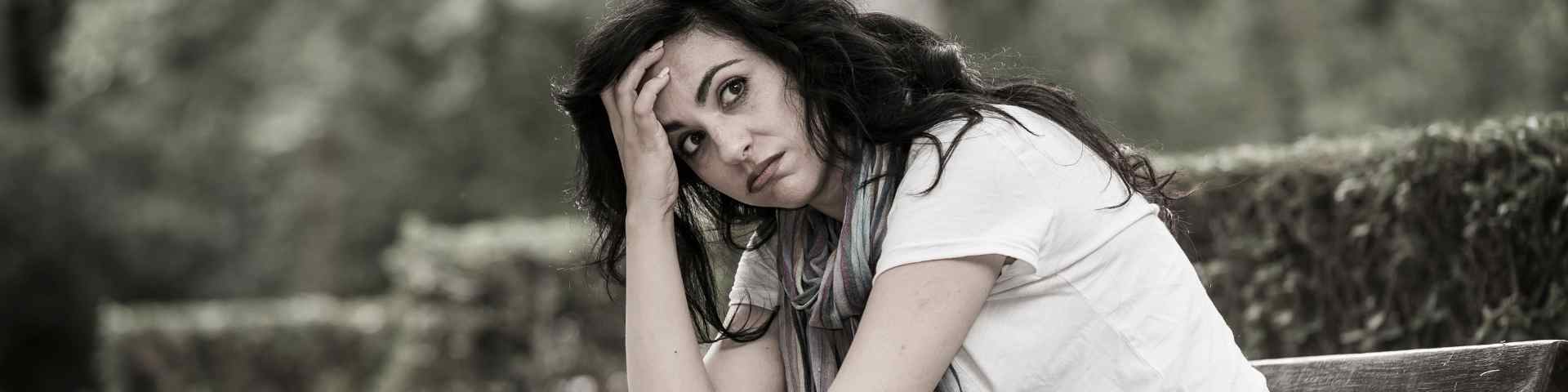
Human beings have a strong tendency to identify with the pain they experienced in the past. Nearly all of us, to some degree, carry old wounds and allow them to shape how we see ourselves today.
Painful events leave deep impressions. The soul remembers what has happened. Our emotional body stores experiences as energetic imprints. Because of this, the memory of past suffering does not simply disappear. Moments of betrayal, abandonment, rejection, or loss can stay with us for many years.
But the presence of memory does not mean that pain must define who we are. At some point, each person faces a quiet but powerful choice: what will we do with the experiences that hurt us?
One possibility is to build an identity around past wounds. You can often recognize this identity in the stories people repeat to themselves and to others: I was betrayed. I was abandoned. I was cheated on. I was harmed. I was never loved. For many individuals, especially those who felt unloved as children, this narrative becomes a central thread of their lives. The past becomes the lens through which everything else is interpreted.
Even if the event happened decades ago, it continues to influence the present. The wound remains active, quietly shaping reactions, expectations, and relationships. From a spiritual perspective, the ego plays an important role in this process. The ego constantly tries to construct a stable sense of identity. Because it fears dissolution, it seeks something solid to attach itself to.
Unfortunately, the ego rarely attaches itself to joy or peace. Much more often it anchors itself to painful experiences. Old wounds become the building blocks of the story we tell ourselves about who we are.
Unresolved emotional wounds are not only psychological — they are also energetic. Every painful experience leaves an energetic imprint in the emotional body. When we repeatedly revisit the story — replaying it in our thoughts or retelling it to others — we strengthen that imprint.

Think about how often people replay certain events in their minds. A betrayal. A painful conversation. A moment of rejection. Sometimes the same story is repeated for years. Each repetition feeds energy into the wound. The imprint grows stronger, and gradually it begins to shape how we perceive the present moment.
This pattern becomes especially visible in close relationships. For example, someone who carried the feeling of being unloved by a parent may still react intensely to that parent decades later. A small remark or misunderstanding can suddenly awaken the old emotional wound. The reaction appears to belong to the present situation, but in reality it is the past speaking through the present.
When identity is built around pain, it does not only affect the original relationship. It begins to influence every area of life. New friendships, romantic relationships, professional environments, and even everyday interactions become colored by the old wound. Someone who carries the belief “I am not loved” may unconsciously interpret many situations as confirmation of that belief. Someone who once experienced betrayal may constantly anticipate betrayal again.
Over time, the past quietly distorts the present. This emotional pattern can even affect physical health. When painful memories are repeatedly activated, the body remains in a state of tension and stress. The nervous system never fully settles. Gradually, this inner strain can manifest as exhaustion, anxiety, or illness.
Yet releasing these patterns is often more difficult than it appears. For some people, the wound has become so closely tied to their identity that letting it go feels frightening. If someone has spent many years thinking of themselves as the abandoned child, the betrayed partner, or the person who was deeply wronged, the idea of releasing that identity can feel like losing a part of themselves.
A quiet question arises: If I am no longer this wounded person, who am I? Because of this uncertainty, many people hold onto their pain even when it continues to harm them.
It is important to understand that healing does not mean forgetting what happened. Many people fear that letting go requires denying their past. But healing is not about forgetting. It is about no longer identifying with the experience. There is an important difference between remembering pain and becoming defined by it.
When someone remembers without identifying, they can say calmly: I experienced pain. The event is acknowledged, but it no longer carries the same emotional charge. The body does not tighten. The heart does not react with anger or bitterness. The memory exists, but it does not dominate the present.
Identification is different. Identification says: I am my pain. In this state, every retelling of the story reactivates the wound. The body reacts again as if the event were happening now. Anger, sadness, and resentment return with full force. The past remains alive.
Many lives have been deeply affected by this pattern. Some individuals numb their pain through alcohol or drugs because they cannot escape the memories they keep reliving. Others sabotage relationships or opportunities without realizing that an old wound is guiding their reactions. Sometimes a single painful event becomes the silent force shaping decades of life.
So how do we begin to release this identification? First, we must recognize that if a wound has been strengthened for years, it will take time to soften. Energetic imprints that have been repeatedly fed with attention cannot disappear overnight.
But the healing process begins when we stop feeding them. Each time we consciously choose not to replay the story, not to fuel resentment, and not to define ourselves through the past, we slowly withdraw energy from the imprint.
Compassion is essential in this process. When painful emotions arise, they should not be denied or pushed away. Resistance often strengthens them. Instead, allow the feeling to be acknowledged with kindness and understanding. You can recognize the pain that once occurred while gently refusing to let it define who you are today.
A person who continues to identify with past pain often resembles a flower that is constantly wilting. Its leaves turn brown. It struggles for water and light. Infections spread through the stem. The flower is still alive, but it is weakened, drained, and slowly losing its vitality.

When we repeatedly feed old wounds with our attention and identity, we create a similar condition within ourselves. Our energy becomes heavy. Our outlook darkens. Life begins to feel like a struggle.
But a different possibility always exists. When a person decides that their pain will not define them anymore, something remarkable begins to happen. Their energy changes. They begin to grow again, just like a flower that receives sunlight and fresh water.
That flower stands upright. Its colors are vivid. It radiates life and beauty. You could even say it becomes something magical — strong, shining, and full of vitality. Both flowers once experienced storms. Both endured difficult conditions. But only one chose to remain trapped in the damage left behind. The other chose to grow again. The question each of us must quietly ask ourselves is simple: Which flower do you choose to be?
At this point, forgiveness becomes possible. Oprah Winfrey once described forgiveness in a remarkably clear way. She defined it as giving up the hope that the past could be any different.
These words contain a profound truth. As long as we secretly wish that the past had unfolded differently — that someone had treated us better, loved us more, or made different choices — we remain tied to that moment.
But when we accept that the past cannot be changed, something inside us begins to loosen. Acceptance does not mean approving of what happened. It simply means acknowledging reality and choosing not to allow it to dominate the present. The memory remains, but the identity built around it begins to dissolve. And when that identity dissolves, the energy that was once trapped in old wounds becomes available again — available for growth, clarity, and a deeper connection to life as it unfolds right now.
About the Author:
Marianna oversees the daily operations of The Dr. Wanda Pratnicka Center, skillfully advising staff members on guiding clients through the spirit removal process. Her efforts extend beyond management; she is dedicated to raising awareness about the phenomenon of spirit possession, utilizing various platforms including events, books, and digital media. In her leisure time, Marianna delights in gardening, immerses herself in reading, and explores new natural wonders.
Stay tuned for enlightening new blog posts EVERY SUNDAY - your weekly dose of inspiration and guidance.
----
ADDITIONAL RESOURCES:
1. You can find more information about common symptoms of spirit attachment / possession here:
2. How to check whether you or your loved one are experiencing a spirit attachment?
3. Want to learn more about how we remove spirits?
Load more
We offer FREE CONSULTATION.
Simply give us a call.
The Dr. Wanda Pratnicka Center
4602 21st Street PO BOX 1285
New York, NY 11101
Disclaimer: Our services are not intended to replace allopathic medicine, but rather to complement it. We do not prescribe any medications and/or medical treatments nor interfere with prescribed medications and/or medical treatments. The Dr. Wanda Pratnicka Center, nor any of its members, is not responsible for any individual's failure to seek proper medical attention.
If you are in a crisis or any other person may be in danger - don't use this site. These resources can provide you with immediate help.
Copyright © 2025 by The Dr. Wanda Pratnicka Foundation, All rights reserved




















 US
US 