
There are moments—perhaps more often than we notice—when we try to control other people. We ask them not to say certain things. We feel unsettled when they behave in ways we didn’t expect. We grow tense when a conversation begins to move in a direction that feels… uncomfortable. And sometimes, without fully understanding why, we react. We interrupt. We withdraw. We become irritated. Or we try to gently (or not so gently) steer things back to where we feel safe.
If you recognize yourself in this, please know—there is nothing wrong with you. There is something deeply human unfolding here.
When we look closely, with honesty and kindness, we begin to see that control is rarely about the other person. It is about us. More specifically, it is about the quiet, often unseen parts of us that feel vulnerable. A certain tone of voice… A particular topic… A passing comment... These small moments can touch something deeper inside—something tender, something unfinished.
And before we even realize it, a subtle impulse arises: “Make this stop.” “Change the situation.” “Don’t let this go further.” Not because we want power over others… but because we are trying to protect something within ourselves. In many ways, what we call the “ego” is simply this protective mechanism—an attempt to guard old wounds from being felt again.
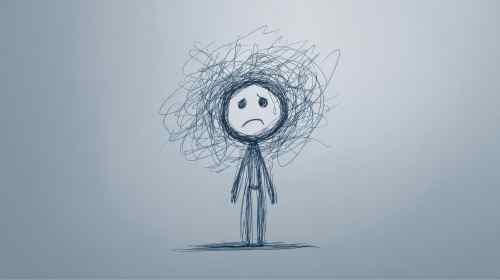
The intensity of our reactions can be confusing. Why does something so small feel so big? From a compassionate, contemplative perspective, it is not the present moment alone that we are reacting to. It is the past—still alive within us. Unresolved emotions do not disappear. They wait. And life, in its quiet intelligence, has a way of bringing them back—not to harm us, but to reveal them.
This can happen through: certain types of people, repeated patterns in relationships, conversations that seem to trigger the same feelings again and again. It may feel as though life is working against us. But what if something else is happening?
What if these moments are not interruptions… but invitations? Not punishments… but openings? From a Buddhist perspective, life is not trying to keep us comfortable. It is gently, persistently, guiding us toward awareness. Toward freedom. When a situation stirs something within you, it is not creating the wound. It is revealing it. And this changes everything. Because if it is being revealed, it means it can also be seen. And if it can be seen… it can begin to heal.

Our instinct, however, is to close. To tighten. To defend. To control the environment so we don’t have to feel what is arising. We might say: “Don’t talk about that.” “You’re overreacting.” “Let’s just drop it.” Or we might shut down internally, pulling away from the moment. This closing feels protective. But in truth, it keeps the wound untouched—and therefore unchanged.
There is another way. A quieter, more challenging way. Instead of controlling what is happening around you, you gently turn toward what is happening within you. You pause. You notice: What am I feeling right now? Where do I feel this in my body? What is this moment touching inside me? Not to analyze. Not to fix. Just to allow. This does not mean you tolerate harmful behavior or abandon healthy boundaries. It means that, internally, you do not run away from yourself. You remain present.
Even if what you feel is uncomfortable. Even if it brings tears. Even if it feels unfamiliar. Because in that moment, something important is happening: You are no longer protecting the wound. You are meeting it.
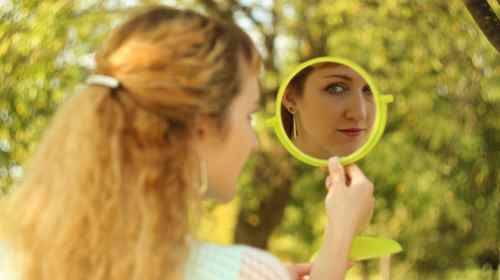
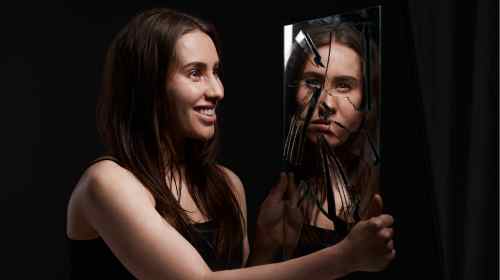
When you stop trying to control others, something softens. You begin to see that people are not the source of your pain— they are mirrors, reflecting what is already there. This realization is not always easy. But it is deeply freeing. Because it gently returns your attention to the only place where real change is possible: Within.
Over time, as you allow these emotions to surface without resistance, they begin to lose their intensity. Not because you forced them away… but because you finally gave them space to be felt. And what is fully felt, can move. What is allowed, can transform.
You do not need to do this perfectly. There will still be moments when you react, when you try to control, when you close. That is part of being human. But each time you notice it—without judgment—you are already stepping into awareness. And awareness, in itself, is healing.
In the end, this path is not about becoming someone new. It is about returning to a simpler way of being. Less controlling. Less guarded. More open. Not because life becomes easier… but because you are no longer fighting what arises within you. And in that openness, something quiet begins to emerge: A sense of ease. A deeper understanding. A kind of peace that does not depend on others behaving a certain way.
You may not be able to control what others say or do. But you can learn to stay present with what unfolds inside you. And in that presence… healing begins.
About the Author:
Marianna oversees the daily operations of The Dr. Wanda Pratnicka Center, skillfully advising staff members on guiding clients through the spirit removal process. Her efforts extend beyond management; she is dedicated to raising awareness about the phenomenon of spirit possession, utilizing various platforms including events, books, and digital media. In her leisure time, Marianna delights in gardening, immerses herself in reading, and explores new natural wonders.
Stay tuned for enlightening new blog posts EVERY SUNDAY - your weekly dose of inspiration and guidance.
----
ADDITIONAL RESOURCES:
1. You can find more information about common symptoms of spirit attachment / possession here:
2. How to check whether you or your loved one are experiencing a spirit attachment?
3. Want to learn more about how we remove spirits?

April 4, 2026
Load more
We offer FREE CONSULTATION.
Simply give us a call.
The Dr. Wanda Pratnicka Center
4602 21st Street PO BOX 1285
New York, NY 11101
Disclaimer: Our services are not intended to replace allopathic medicine, but rather to complement it. We do not prescribe any medications and/or medical treatments nor interfere with prescribed medications and/or medical treatments. The Dr. Wanda Pratnicka Center, nor any of its members, is not responsible for any individual's failure to seek proper medical attention.
If you are in a crisis or any other person may be in danger - don't use this site. These resources can provide you with immediate help.
Copyright © 2026 by The Dr. Wanda Pratnicka Foundation, All rights reserved
















 US
US 