
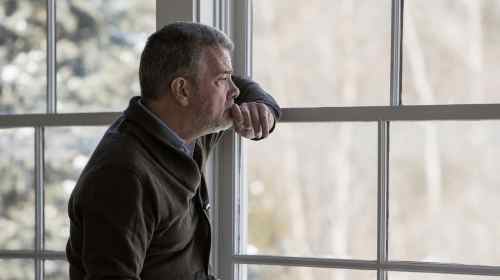
Pain is part of being human. No matter how carefully we live, we will experience disappointment, loss, rejection, uncertainty, fear, illness, conflict, and moments when life simply does not unfold the way we hoped it would. We cannot always prevent the first painful experience. But there is often something else that happens afterward—something far more subtle. We begin to argue with what happened. We replay it. We judge it. We imagine what should have happened instead. We worry about what it means for the future. We blame ourselves or someone else. We become afraid that the pain will never end. And suddenly, we are no longer experiencing only the original pain. We are carrying everything our mind has added to it. In Buddhist teachings, this is sometimes described through the metaphor of the two arrows.
Imagine being struck by an arrow. It hurts. That first arrow represents the difficult experience itself. Someone disappoints you. A relationship ends. You lose something important. You receive upsetting news. Someone says something hurtful. You make a mistake you wish you could undo. The pain that follows may be completely natural. Sadness is natural. Fear is natural. Grief is natural. Anger can be natural too. Mindfulness does not ask us to pretend these emotions do not exist. It does not mean forcing ourselves to remain positive or telling ourselves that we should not feel hurt. The first arrow deserves compassion. The problem is that we often shoot ourselves with a second one.
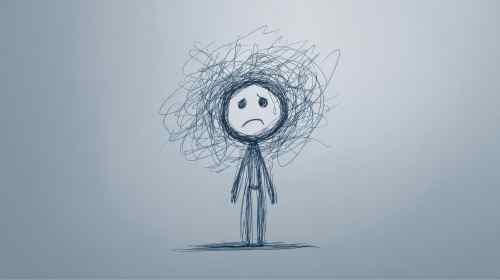
The second arrow is our mental reaction to the pain. Instead of simply feeling disappointed, the mind says: This always happens to me. I should have known better. My life is falling apart. What if things never get better? Why can't I handle this like everyone else? They should never have done this to me.
The original experience may have lasted minutes, hours, or days. But the story surrounding it can continue for months—or even years. We revisit conversations long after they are over. We imagine different endings. We mentally argue with people who are not even in the room. We suffer once because of what happened and then suffer repeatedly because we continue reliving it in our minds. This does not mean our thoughts are foolish or that our feelings are wrong. It simply means that there is a difference between pain and resistance to pain. Recognizing that difference can change the way we experience difficult moments.

One of the simplest mindfulness questions you can ask yourself is: What am I resisting in this moment? Perhaps something happened that you wish had not happened. Maybe someone behaved differently than you expected. Perhaps your life does not currently look the way you thought it would. Notice what the mind does with that reality. It often says, This shouldn't be happening. But it is happening. Accepting that fact does not mean approving of it. It does not mean that you cannot change the situation, establish boundaries, seek help, or make a different choice. Acceptance simply means recognizing reality before deciding what to do next. There is enormous freedom in moving from This should not be happening to This is what is happening right now. How do I want to respond?
Fear is another common second arrow. We experience something uncomfortable and immediately become afraid of what it might mean. A difficult day becomes, What if I always feel this way? An argument becomes, What if this relationship is over? A mistake becomes, What if I ruined everything? The mind travels into a future that has not happened yet and begins suffering there too. Mindfulness brings us back to a much smaller question: What is actually happening right now? Not tomorrow. Not next month. Not the worst-case scenario. Right now. Very often, the present moment is more manageable than the future imagined by the mind.
The same principle can be helpful for people who believe they may be experiencing spirit attachment or spirit possession. From our perspective at the Wanda Pratnicka Center, these experiences can feel deeply frightening and overwhelming. Someone may notice unfamiliar thoughts, emotional changes, disturbing sensations, or a strong feeling that something is not right. The experience itself can be distressing, but constant fear, obsessive analysis, and repeatedly imagining the worst can create an additional layer of suffering. This is why we encourage people to seek appropriate support rather than spending every moment monitoring or fighting what they feel. Spiritual concerns also do not require someone to ignore medical or mental-health support when it may be needed. Whatever the cause of an experience, fear does not have to become another arrow.
Sometimes our greatest suffering does not come from what we feel, but from judging ourselves for feeling it. We become angry and then think, I shouldn't be angry. We become afraid and tell ourselves, I need to be stronger. We feel sad and wonder, Why am I still not over this? Now there are two experiences: the original emotion and our rejection of ourselves for having it. What would happen if, instead, you simply noticed: Fear is here. Sadness is here. Anger is here.
You do not have to become the emotion. You do not have to solve it immediately. You can allow it to be present without turning it into your identity. Instead of I am an anxious person, you might notice, I am experiencing anxiety right now. That small change creates space between you and what you are feeling.
Mindfulness cannot promise us a life without pain. People will still disappoint us. Plans will change. We will lose things we love. We will sometimes feel afraid, uncertain, angry, or heartbroken. But we can begin to notice what happens after the first arrow arrives. Can you feel sadness without telling yourself that your life is ruined? Can you experience uncertainty without immediately imagining disaster? Can you make a mistake without turning it into a judgment about who you are? Can you accept this moment before demanding that it become something else?
This is not something we master once and never struggle with again. It is a practice. Again and again, we notice the mind reaching for the second arrow. And sometimes, simply noticing is enough to put it down. Pain may be unavoidable. But we do not have to turn every painful moment into a story that follows us for years. Sometimes peace begins not because the first arrow disappears, but because we finally decide not to fire the second one.
About the Author:
Marianna oversees the daily operations of The Dr. Wanda Pratnicka Center, skillfully advising staff members on guiding clients through the spirit removal process. Her efforts extend beyond management; she is dedicated to raising awareness about the phenomenon of spirit possession, utilizing various platforms including events, books, and digital media. In her leisure time, Marianna delights in gardening, immerses herself in reading, and explores new natural wonders.
Stay tuned for enlightening new blog posts EVERY SUNDAY - your weekly dose of inspiration and guidance.
----
ADDITIONAL RESOURCES:
1. You can find more information about common symptoms of spirit attachment / possession here:
2. How to check whether you or your loved one are experiencing a spirit attachment?
3. Want to learn more about how we remove spirits?

April 4, 2026
Load more
We offer FREE CONSULTATION.
Simply give us a call.
The Dr. Wanda Pratnicka Center
4602 21st Street PO BOX 1285
New York, NY 11101
Disclaimer: Our services are not intended to replace allopathic medicine, but rather to complement it. We do not prescribe any medications and/or medical treatments nor interfere with prescribed medications and/or medical treatments. The Dr. Wanda Pratnicka Center, nor any of its members, is not responsible for any individual's failure to seek proper medical attention.
If you are in a crisis or any other person may be in danger - don't use this site. These resources can provide you with immediate help.
Copyright © 2026 by The Dr. Wanda Pratnicka Foundation, All rights reserved



















 US
US 