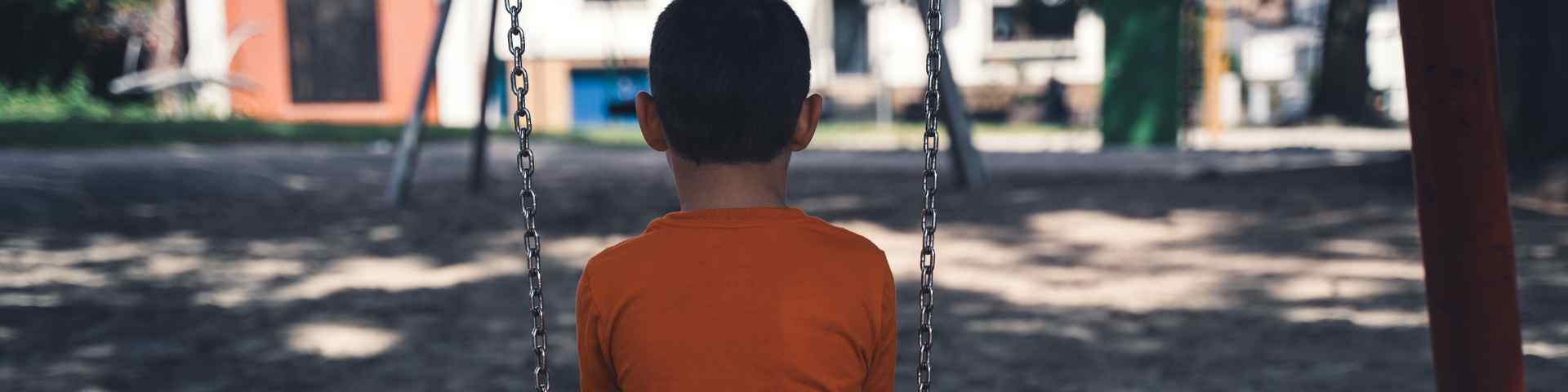
Few things cut as deeply as the sight of a child in pain. Illness, isolation, fear, rejection—whatever form it takes, it doesn’t stay on the surface. It reaches into something quiet and unguarded within you.
There’s anger in it. A sense of injustice that feels almost unbearable. But more than anything, there is helplessness—the kind that lingers long after the moment has passed. Because no matter how much you want to, you cannot always take that pain away. And if you don’t come to understand that helplessness, it doesn’t simply fade. It settles. It begins to work against you from within.
When you see a child suffer, something instinctive rises immediately. You want to protect. To shield. To fix what should never have happened in the first place. A child appears defenseless—unable to choose, unable to fight back, often unable even to understand why pain has found them. And when you cannot step in, when your strength meets a wall it cannot break through, a quiet but intense conflict begins to grow inside you.
Parents of chronically ill children carry it. Teachers who know what happens behind closed doors carry it. Doctors who treat young patients carry it too. Yet the world rarely pauses for them. All attention turns toward the child. And the adult is left alone with a question that doesn’t seem to have a place to land: Why can’t I fix this? But perhaps the question itself is too narrow.
In the midst of something that feels like pure tragedy, it is difficult—almost unnatural—to step back and consider a broader view. Yet life does not begin or end within a single moment, or even a single lifetime. Human experience stretches further than what is immediately visible. What we encounter now may carry threads from far beyond this present chapter.
This is often described as karma—not as punishment, but as continuation. A kind of echo. Choices, emotions, patterns—they do not simply disappear. They return, reshaped, sometimes intensified, asking to be understood in a deeper way. And sometimes, painfully, those echoes appear where it hurts the most: in the lives of children.

This does not mean a child has “deserved” suffering. That idea is too crude, too shallow for something so complex. It means only that the soul moves through processes that are not always visible from where we stand. Simple answers tend to fail here.
If certain emotional patterns persist over time—fear, anger, resentment—they begin to shape not only how we feel, but what we attract. At first, the effects are subtle. A shift in relationships. A heaviness in the body. A quiet instability in daily life.
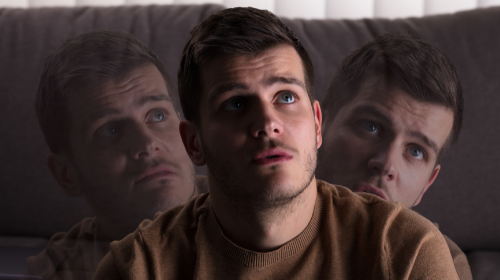
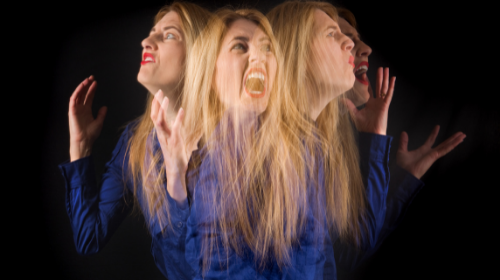
But over time, according to some spiritual perspectives, something more can occur. The presence of energies that do not belong to the living—souls that, for different reasons, have not moved on. These are not abstract ideas for those who feel them. They are experienced as pressure, confusion, emotional intensity that seems disproportionate or unexplainable.
Such entities are often described as remaining close to the physical world, drawn by familiarity or fear of what lies beyond. And within that space—dense with unresolved emotion—they continue to exist, seeking energy in order to sustain themselves.
When a person remains in prolonged states of emotional vulnerability, the boundary between self and influence can begin to thin. And in certain cases, this can extend even to children. It is not a simple or comfortable concept. But for some, it becomes part of their lived reality.
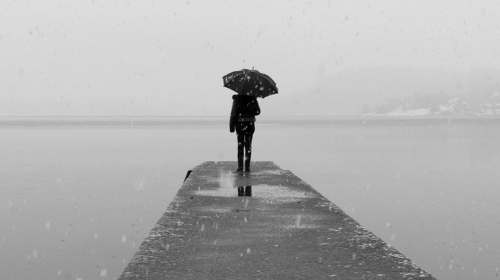
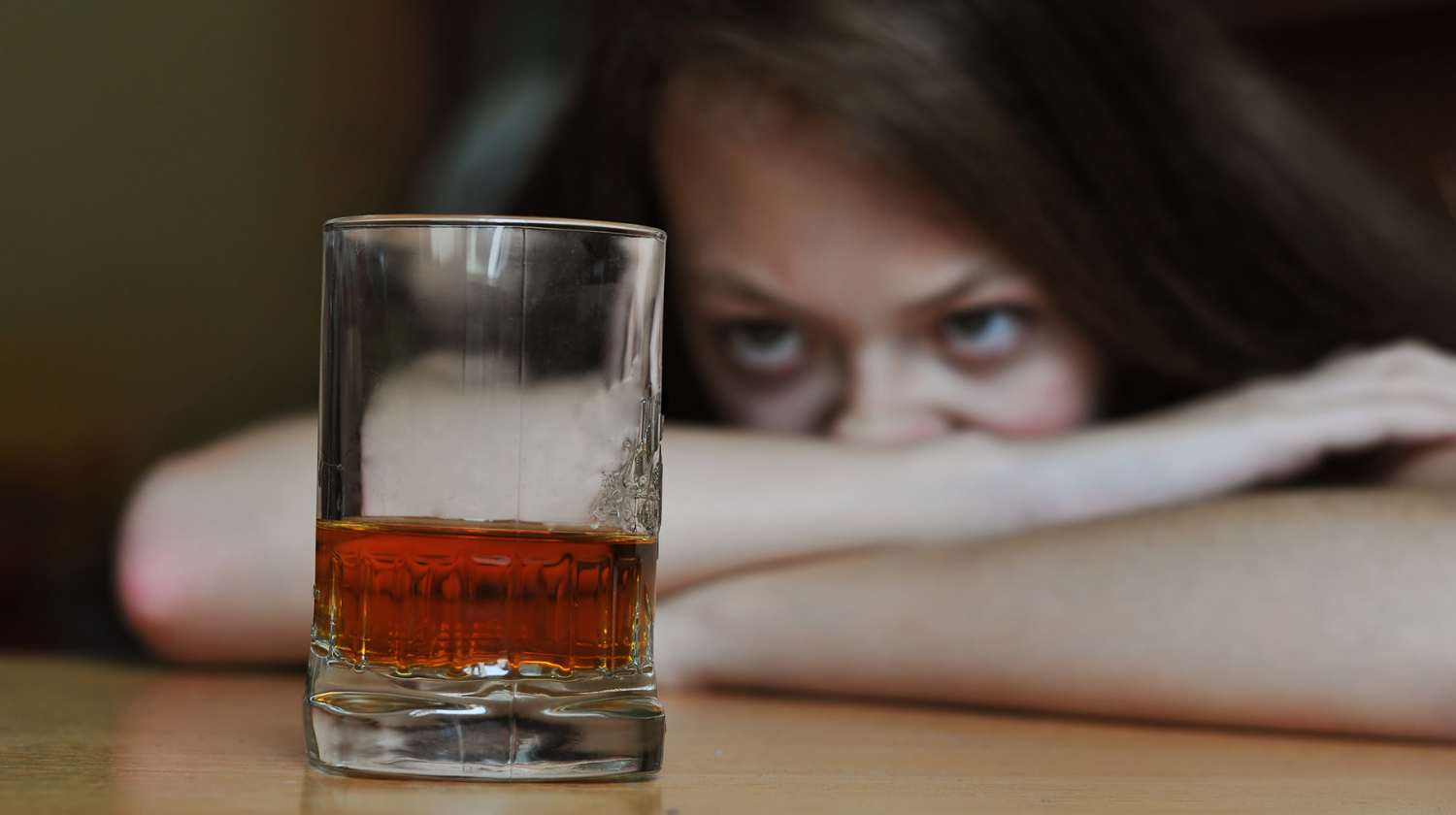
To witness suffering and feel shaken by it is not a flaw. It is evidence of connection. A person untouched by a child’s pain has not become strong—they have become distant. Yet there is a quiet danger in how helplessness is handled. If it is suppressed, if it is forced into silence and turned into self-blame or constant tension, it begins to harden. What was once care becomes exhaustion. What was once sensitivity turns into numbness, or even quiet despair. There is another way.
Emotion, when allowed to move, does not destroy. Tears, anger, grief—these are not signs of losing control. They are part of staying human. Rest when you can. Step outside. Sit in silence without needing to fix anything for a moment. These are not luxuries. They are what allow you to remain present without breaking.
It is not entirely true that nothing can be done. There are moments—often unpredictable—when something shifts. When a certain weight has been carried long enough, when something within the soul reaches a point of readiness. And in those moments, change becomes possible in ways that were not before.
If the source of suffering is linked to unseen influences, there are paths—careful, experienced ones—through which those influences can be addressed and removed. Not every child is ready at the same time. Not every situation unfolds in the same way. But readiness comes. It is part of a larger movement that continues whether we see it or not. In the meantime, your role is both simple and profound. Be there.
Hold them when they need it. Sit beside them when words don’t help. Create a sense of safety where you can. Presence is often underestimated. Yet for a child in pain, a calm, steady human being nearby can mean more than any explanation or solution. Being there is not “nothing.” Sometimes, it is everything.
When you begin to move—even slightly—toward something higher, something more aligned with truth, it changes the direction of your life. Not all at once. Not dramatically. But steadily. Your current life is only a brief moment in a much longer continuum. And within that continuum, every shift matters.
An adult who allows themselves to feel deeply, yet does not become consumed by it—that is someone who truly protects. Not perfectly. Not always successfully. But meaningfully. Your presence matters. Your inner work matters. The way you turn, again and again, toward something lighter, more conscious—this shapes more than you realize. For the child you love. And for you.
If you feel that your child may need spiritual cleansing, you can reach out to us on their behalf. We will help as much as possible, within the limits of karmic law.
About the Author:
Michael, a co-founder of The Dr. Wanda Pratnicka Center, holds a B.A. degree in psychology and is a spiritual teacher and healer, with a specialization in spirit removal. Under the mentorship of his wife Wanda Pratnicka, Michael gained profound spiritual insights into the nuances of spirit attachment phenomenon, and for many years, he played a crucial role in assisting her with the remote spirit removal process. In his leisure time, Michael finds solace in meditation, immerses himself in the timeless beauty of classical music, and cherishes tranquil walks by the sea.
Stay tuned for enlightening new blog posts EVERY SUNDAY - your weekly dose of inspiration and guidance.
----
ADDITIONAL RESOURCES:
1. You can find more information about common symptoms of spirit attachment / possession here:
2. How to check whether you or your loved one are experiencing a spirit attachment?
3. Want to learn more about how we remove spirits?
We offer FREE CONSULTATION.
Simply give us a call.
The Dr. Wanda Pratnicka Center
4602 21st Street PO BOX 1285
New York, NY 11101
Disclaimer: Our services are not intended to replace allopathic medicine, but rather to complement it. We do not prescribe any medications and/or medical treatments nor interfere with prescribed medications and/or medical treatments. The Dr. Wanda Pratnicka Center, nor any of its members, is not responsible for any individual's failure to seek proper medical attention.
If you are in a crisis or any other person may be in danger - don't use this site. These resources can provide you with immediate help.
Copyright © 2026 by The Dr. Wanda Pratnicka Foundation, All rights reserved









 US
US 