
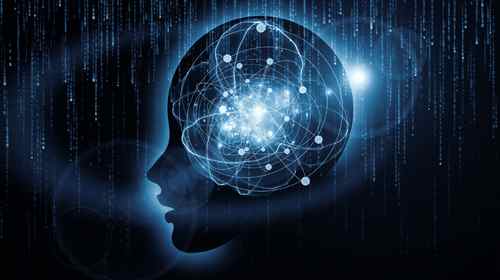
No technology in the history of humanity has developed as rapidly as artificial intelligence. What only a few years ago sounded like distant science fiction has quietly become part of everyday life for millions. We wake up inside a reality that shifts faster than our nervous system can comfortably process. Somewhere beneath the surface, many of us sense it clearly: the ground feels unstable.
Yet fear of artificial intelligence is only one layer of a much deeper unease. The modern world is riddled with points of tension that continually feed our anxiety. Wars unfolding across continents. Climate crises and natural disasters. Economic instability and the looming threat of recession. Social polarization tearing communities apart. A pandemic that left invisible but lasting marks on the collective psyche. And hovering above it all—a growing conviction that the world has slipped beyond human control.
Among all contemporary fears, one cuts especially deep: the fear of losing meaning. For generations, we have built our identity around what we do. Once, a person said, I am a blacksmith. Today, I am a programmer. A translator. A graphic designer. But what happens when a machine performs the same tasks—faster, cheaper, sometimes even better?
What remains is an unsettling emptiness. A question that once belonged to philosophy suddenly becomes painfully personal: Who am I if I am not what I do? For thousands of years, humans stood at the unquestioned peak of intellectual hierarchy on Earth. Now, for the first time, we are forced to confront the possibility that we may not always be the most intelligent presence in the room. That realization strikes at the core of human pride.

Living in constant fear—individually, socially, globally—inevitably lowers our inner vibration. Our emotional tone sinks, and with it fades the light we naturally radiate. Yet within us, at the very center of the heart, lives a spark of divine fire. We are children of the Universe, even when we forget it.
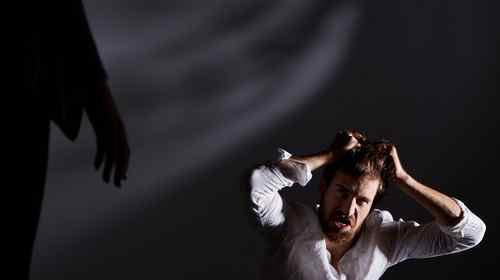
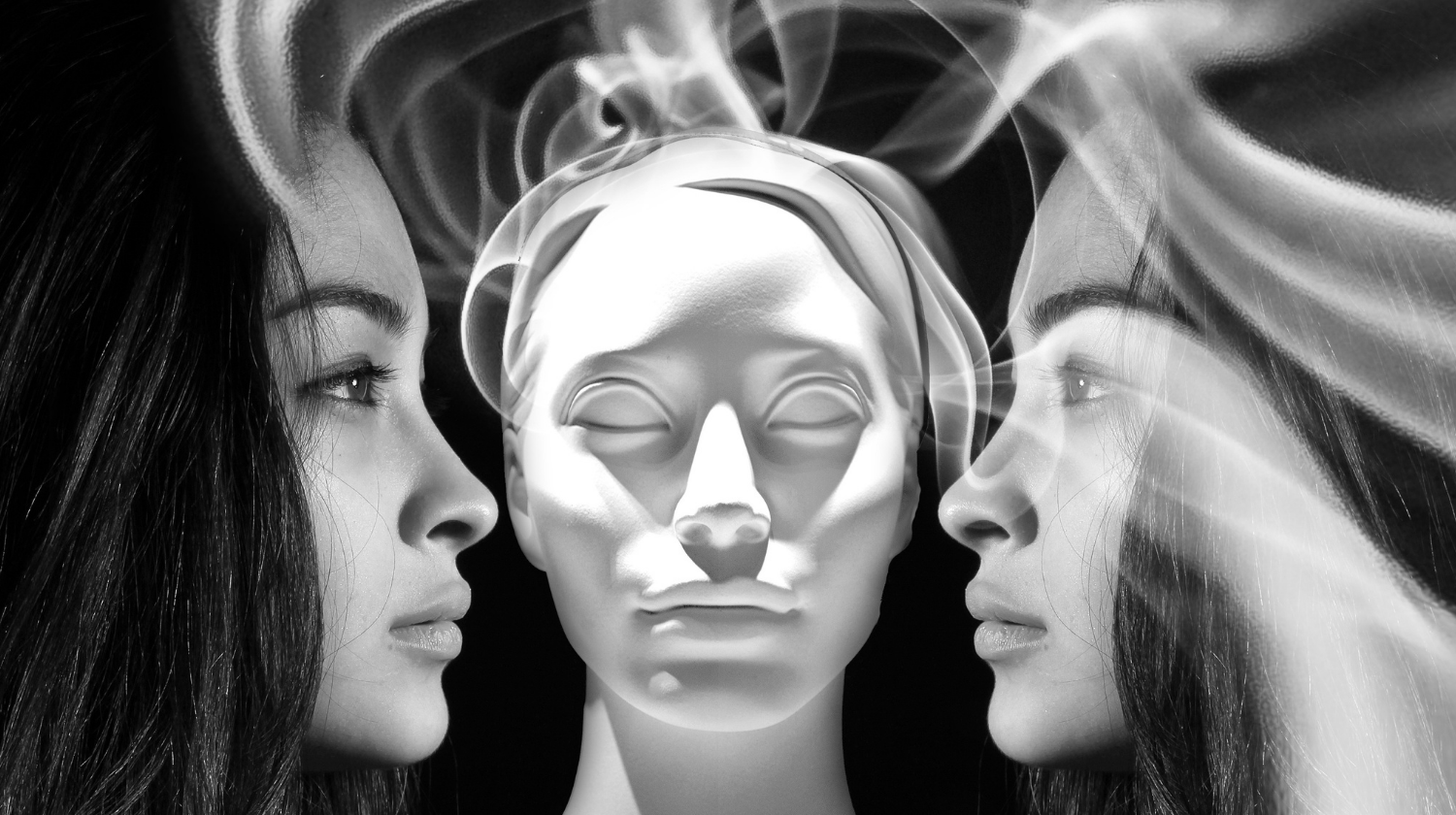
When we remain trapped in low vibrational states such as fear, anger, and despair, we drift dangerously close to the emotional realm often called the astral world. This realm is inhabited, among others, by the souls of deceased individuals who, for various reasons, have not released their attachment to physical existence. These spirits linger in low vibrational fields—energies of grief, regret, anxiety, jealousy, and fear. When our emotional state drops low enough, we enter resonance with them and become exposed to their powerful influence.
Our primary task is not to solve every global conflict or to immediately engineer perfect systems to manage the consequences of artificial intelligence. Universal basic income or similar mechanisms that redistribute technological wealth will not, on their own, save us. The real solution lies elsewhere. It begins with one act: stopping the fear.
To stop fearing does not mean denying fear or suppressing it. It means recognizing it consciously and refusing to nurture it. Fear will continue to arise—often transmitted through the collective field. But you must learn to name it. To say: This is not my fear. I recognize it. I understand what it is. And I know that feeding it harms me.
When you become aware of humanity’s deepest fears, gently shift your attention toward the energy of trust. Your true inner parent is not your biological parents. It is the Universe itself. It is God. And God is unconditional love.
This care is constant, limitless, and always present. Yet we notice only fragments of it—if we notice it at all. That is why trust must be practiced deliberately. Alongside it, gratitude must be cultivated for what already exists in your life. Gratitude carries a high vibration. It naturally lifts you away from fear and from the energetic realms where spirits dwell.
Without this shift, the phenomenon of spiritual disturbances will continue to grow, drawing more people into depression, exhaustion, and a quiet withdrawal from life.
How different our world would be if exorcisms were unnecessary. If each person knew how to manage their own thoughts well enough to avoid drifting into dangerous emotional territories filled with negativity, rage, and despair. A person who maintains inner clarity does not enter resonance with spirits and does not become vulnerable to spiritual interference. How much suffering could be spared.
Artificial intelligence will continue to advance—regardless of our fears. The world will continue to change—faster than we might prefer. But how you respond to these changes remains entirely your choice. You may allow fear to consume you and descend into the darker layers of collective consciousness. Or you may refuse it and rise above—toward light, toward trust, toward the part of yourself that knows it is more than body and mind.
Your soul was created to shine. Do not allow fear of the unknown to dim its radiance.
About the Author:
Michael, a co-founder of The Dr. Wanda Pratnicka Center, holds a B.A. degree in psychology and is a spiritual teacher and healer, with a specialization in spirit removal. Under the mentorship of his wife Wanda Pratnicka, Michael gained profound spiritual insights into the nuances of spirit attachment phenomenon, and for many years, he played a crucial role in assisting her with the remote spirit removal process. In his leisure time, Michael finds solace in meditation, immerses himself in the timeless beauty of classical music, and cherishes tranquil walks by the sea.
Stay tuned for enlightening new blog posts EVERY SUNDAY - your weekly dose of inspiration and guidance.
----
ADDITIONAL RESOURCES:
1. You can find more information about common symptoms of spirit attachment / possession here:
2. How to check whether you or your loved one are experiencing a spirit attachment?
3. Want to learn more about how we remove spirits?

December 23, 2023
We offer FREE CONSULTATION.
Simply give us a call.
The Dr. Wanda Pratnicka Center
4602 21st Street PO BOX 1285
New York, NY 11101
Disclaimer: Our services are not intended to replace allopathic medicine, but rather to complement it. We do not prescribe any medications and/or medical treatments nor interfere with prescribed medications and/or medical treatments. The Dr. Wanda Pratnicka Center, nor any of its members, is not responsible for any individual's failure to seek proper medical attention.
If you are in a crisis or any other person may be in danger - don't use this site. These resources can provide you with immediate help.
Copyright © 2026 by The Dr. Wanda Pratnicka Foundation, All rights reserved









 US
US 